Finding a fledgling lost outside its nest can trigger an immediate urge to help. This process requires caution and specific knowledge to avoid harming its survival. First and foremost, be sure to determine if the bird is truly orphaned or simply learning to fly. If intervention is necessary, the fledgling will need a secure, warm, and calm environment. Feeding it with appropriate food is also vital, as is avoiding excessive contact to not hinder its return to the wild. At every step, consulting a wildlife specialist is strongly advised.
Assessment and First Aid for a Found Fledgling
When faced with the discovery of a fledgling fallen from the nest, the first step is to assess its condition. Recognizing a fledgling in distress is essential: a young bird that is injured or unable to fly requires immediate attention. If the animal is alert, appears healthy, and is covered in feathers, it may be in the learning phase and its parents might not be far away. In this case, observe from a distance before intervening. However, if the fledgling is in clear danger or injured, first aid is necessary.
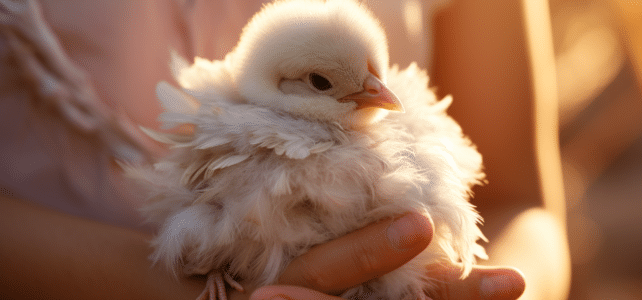
Once the fledgling’s condition is assessed, if intervention is decided, gently place it in a secure and calm location. Use a box lined with paper towels or a non-linting fabric to prevent it from getting tangled. Keep the fledgling warm, but avoid overheating, and minimize unnecessary handling that could cause it stress. The person who found the fledgling should then contact a rescue center or a veterinarian specialized in wildlife for advice tailored to the situation.
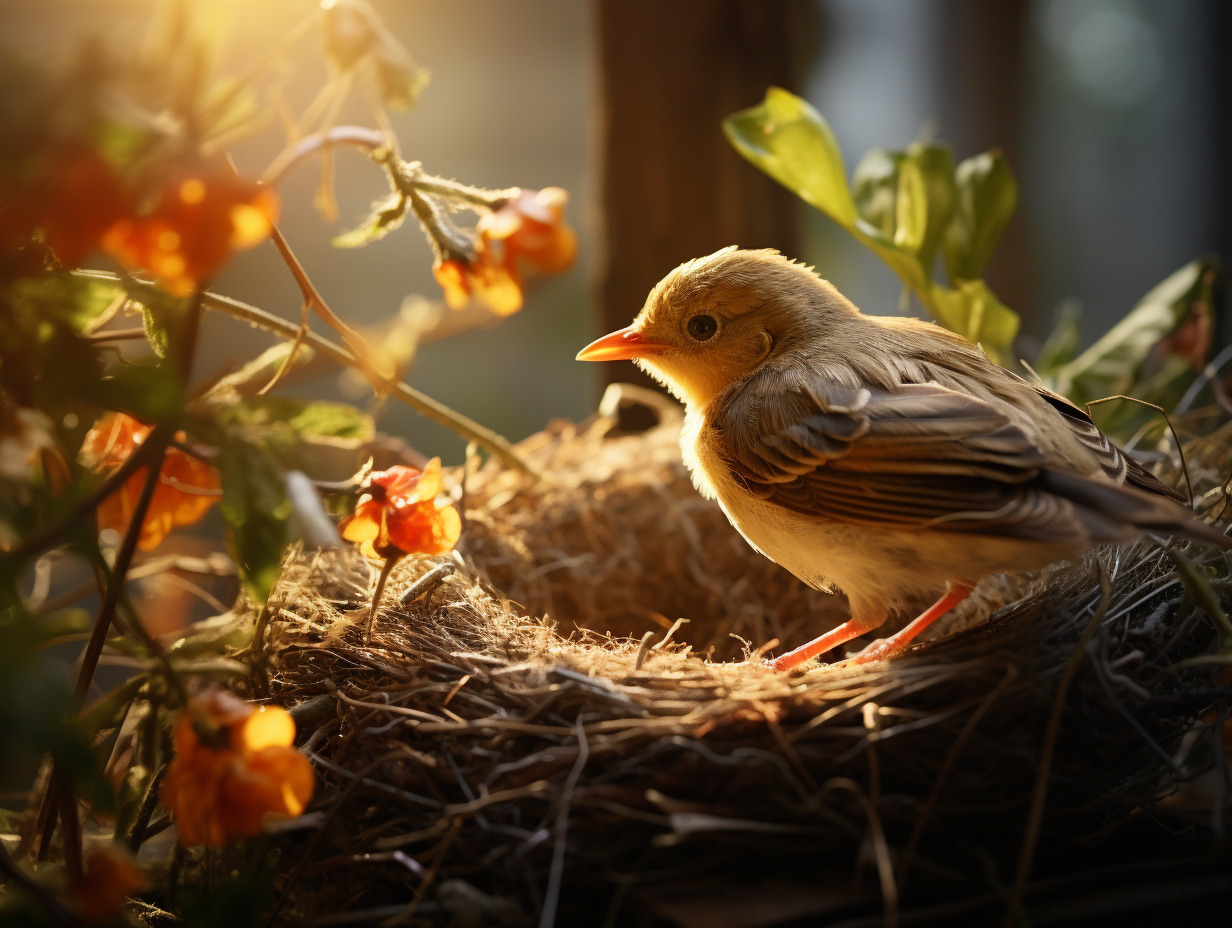
In some cases, the original nest may be damaged or inaccessible. An artificial nest can then be created to allow the young bird to remain in its natural environment while waiting for its parents to return. However, ensure the safety of this substitute nest, keeping it away from predators and harsh weather. The goal is always to minimize human interaction to allow the fledgling to maintain its wild instincts and increase its chances of survival upon returning to nature.
Long-Term Care and Release of the Fledgling
Once first aid has been successfully administered, attention shifts to the long-term health of the fledgling. Long-term care includes constant monitoring and implementing a proper diet, often based on specific rearing mash like Tropican rearing mash, designed to meet the nutritional needs of young birds. Feeding, which should mimic the natural rhythm, is fundamental and must be done carefully to avoid compromising the animal’s future ability to feed itself.
The role of a rescue center then becomes crucial. These facilities, specialized in wildlife rehabilitation, have the resources, knowledge, and expertise necessary to manage the education and development of the fledgling. Qualified staff ensure that it acquires the essential skills for survival, such as flying and hunting, in a controlled environment.
The release of the fledgling into the wild represents the final stage of its rehabilitation. This delicate phase must be carried out thoughtfully, once the fledgling has reached a sufficient level of maturity and independence. The timing of the release should coincide with a favorable period, where weather conditions and the availability of food resources enhance its chances of survival.
To ensure a successful transition, a gradual acclimatization to the natural environment is often implemented. The fledgling is first placed in outdoor aviaries to get used to the elements, sounds, and other external stimuli. This intermediate step also allows for monitoring the bird’s reactions to human presence and ensuring it can maintain a safe distance, thus preserving its wild instincts.