Adopting a pet is not just about choosing a breed or an age. The choice impacts your daily life, your living space, and your ability to meet the needs of a living being for several years. Before browsing the profiles of shelters, some concrete guidelines can help avoid the most common mistakes and build a successful adoption, for both you and the animal.
Senior animals and atypical profiles: more thoughtful adoptions
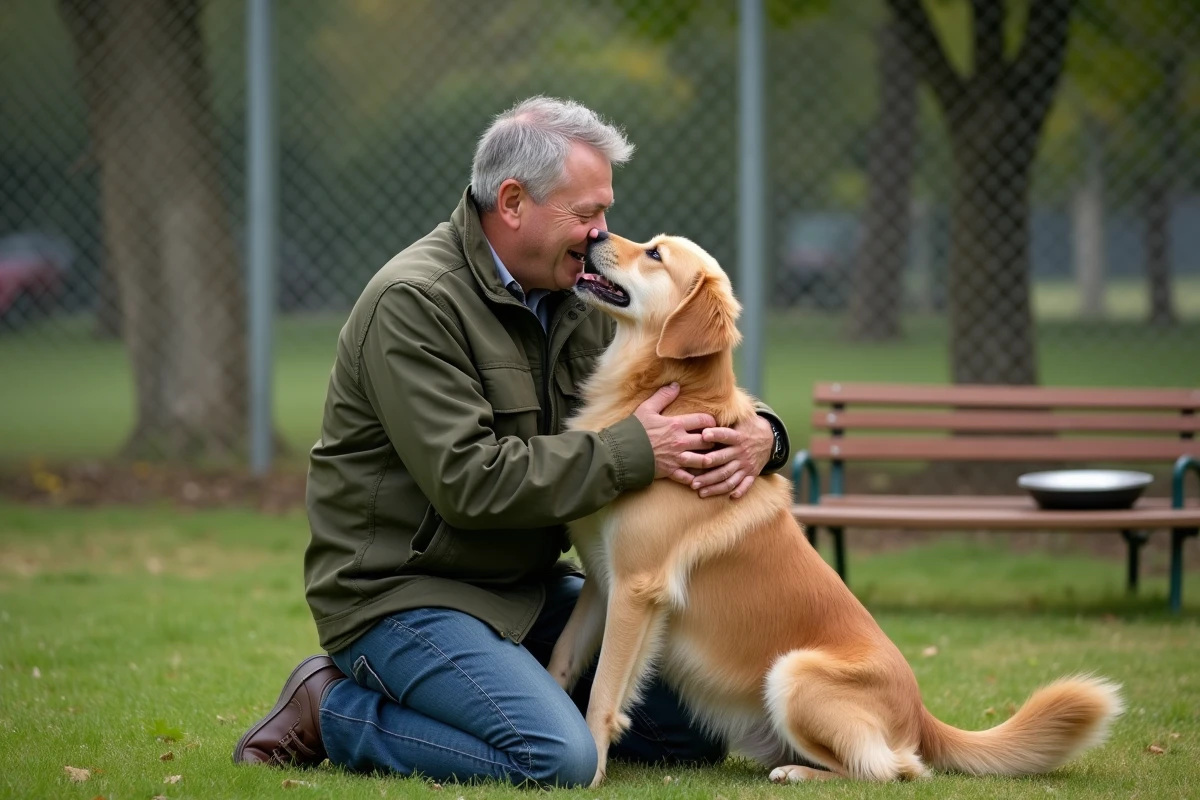
Since the post-Covid period, shelters have noticed a significant change in the profiles of adopted animals. Older dogs, cats carrying the FIV virus, or animals with disabilities are more likely to find a family than before. This change reflects a more compassionate and thoughtful adoption approach from adopters.
Why this shift? A senior dog generally has a stable temperament. Its basic training is complete. It no longer chews on table legs and often adapts better to a calm household. An FIV+ cat can live for many years indoors, with appropriate but not necessarily heavy veterinary follow-up.
For families still hesitating, browsing the animals offered by 4 Pattes d’Amour allows you to concretely visualize the diversity of available profiles, well beyond the classic puppy or kitten.
Adopting an atypical animal requires honest preparation. You need to assess your care budget, your tolerance for medical constraints, and your patience. In return, these animals develop a remarkable attachment to their new family.
Responsible adoption: checks before signing
The enthusiasm of the first days can overshadow concrete steps. Before signing anything, ensure that the animal is microchipped, vaccinated according to the current protocol, and accompanied by a veterinary certificate.
Checklist for shelter adoption
- The animal’s identification (chip or tattoo) must be registered in the national file, with an official transfer to your name on the day of adoption
- The health record specifies the vaccinations done, ongoing antiparasitic treatments, and any pathologies detected during the stay in the shelter
- The adoption contract mentions a post-adoption follow-up period, during which the shelter can check the animal’s living conditions
- Spaying/neutering is often already done or included in the adoption fees, inquire about this before signing
These checks are not just paperwork. They protect both the animal and the adopter. A serious shelter will never rush you to finalize the adoption in one day.
Online ads and animals from abroad: what has changed
The French law aimed at combating animal abuse has significantly tightened the regulations surrounding online transfer ads. Posting an ad to give away or sell a pet now requires mentioning the identification number, age, and, for breeders, the SIREN number.
Non-compliant platforms face penalties. For the adopter, this regulation reduces the risk of encountering fraudulent ads or animals in poor health.
Dogs and cats from overseas rescues
You may have noticed that many associations offer dogs from Eastern or Southern Europe? These animals, often rescued from shelters or the streets, arrive in France with a strict health protocol: European passport, rabies vaccination, mandatory identification before crossing the border.
This adoption process works well when the association is transparent about the animal’s history. Ask questions about its observed behavior before transfer, any potential traumas, and the duration of its stay in a foster home. A dog that has lived on the street for years will not react like a puppy born in a kennel.
Preparing the home for the arrival of an adopted animal
Adapting an animal to its new home takes time. The first few days are crucial, and some simple precautions can prevent stressful situations for everyone.
Provide a dedicated, calm space where the animal can retreat. A newly adopted dog needs fixed points: the same place for its bowl, the same sleeping area, regular outing times. Routine reassures an animal that has lost its bearings.
For a cat, a closed room in the first few days allows it to explore gradually, without being overwhelmed by stimuli. Open the rest of the home gradually over several days.
Training and patience: two pillars of the adopter-animal bond
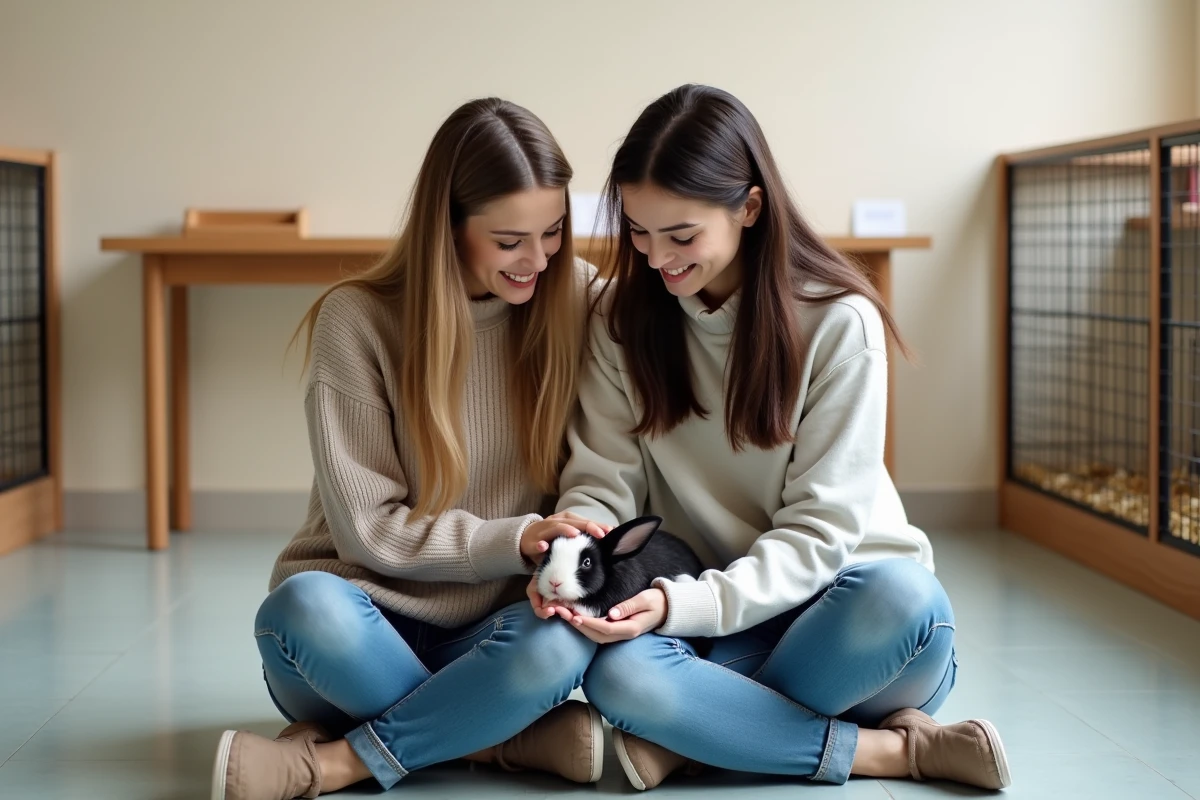
Training an adopted animal from a shelter differs from that of a puppy or kitten acquired from a breeder. Some have experienced abandonment, sometimes abuse. Fearful or distrustful reactions are normal and do not mean the animal is “difficult”.
- Favor positive reinforcement: reward good behaviors rather than punishing bad ones
- Let the animal come to you rather than forcing physical contact in the first few days
- Consult a behavioral trainer if signs of anxiety persist after several weeks
The relationship between an adopter and their animal is built over time. The first weeks rarely reflect the final bond. A shy dog upon arrival can become a very expressive companion once trust is established.
Adopting an animal means accepting this adjustment period. Shelters often support new adopters with follow-up advice. Take advantage of this resource; it is an integral part of the adoption journey.