Interior decorators and renovators need to be familiar with all the popular interior design styles in order to meet their clients’ needs and desires. Most of the time, clients have no idea what specific design style they want.
This is where your knowledge and expertise in different interior design styles come into play. After discussing with your clients and looking at the inspiring images they have gathered, you should be able to identify their design style.
A lire également : The different types of concrete
This top 10 list of the best interior decoration styles will help you easily identify the specific styles for your clients.
10 popular interior design styles in detail
A découvrir également : The different styles of wallpaper
1. Modern
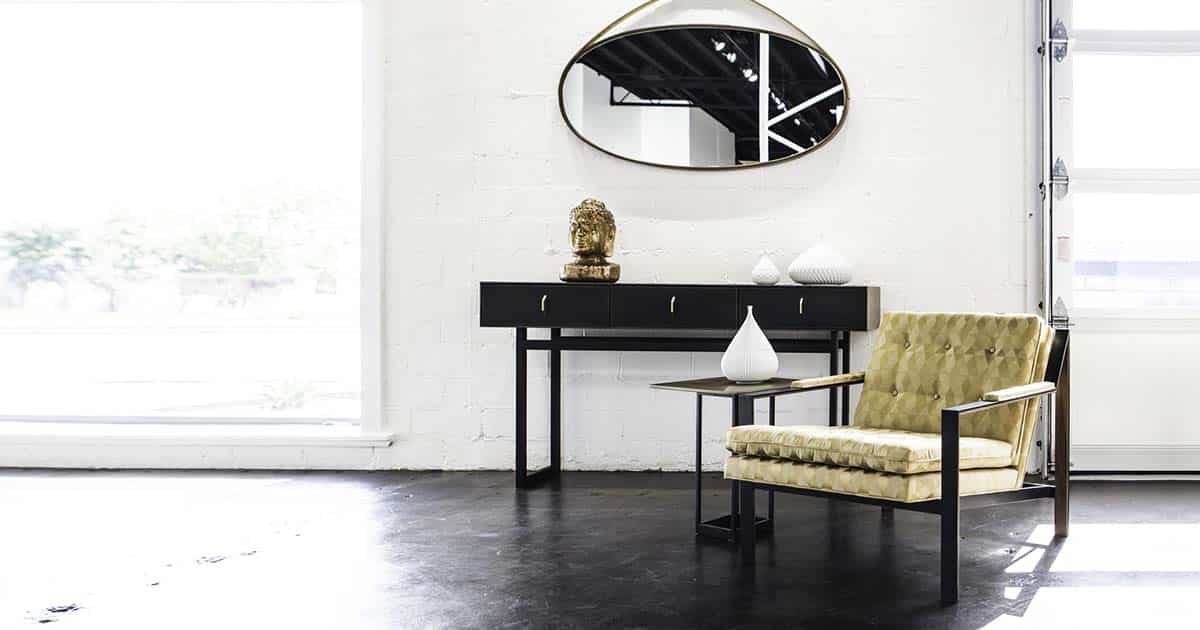
The modern style comes from the modernist movement, which began in the 1920s. It should not be confused with the adjective “modern,” which refers to current trends. It is also different from contemporary style, which refers to current design trends. Modern design is very specific and was created by the famous German-American architect Ludwig Mies van der Rohe.
Main materials: wood, metal, glass, steel
Color palette: monochromatic, neutral, earth tones
Furniture style: simple, exposed legs, elevated, satin finishes
Features: clean lines, simple furniture, uncluttered, “form follows function”
2. Traditional
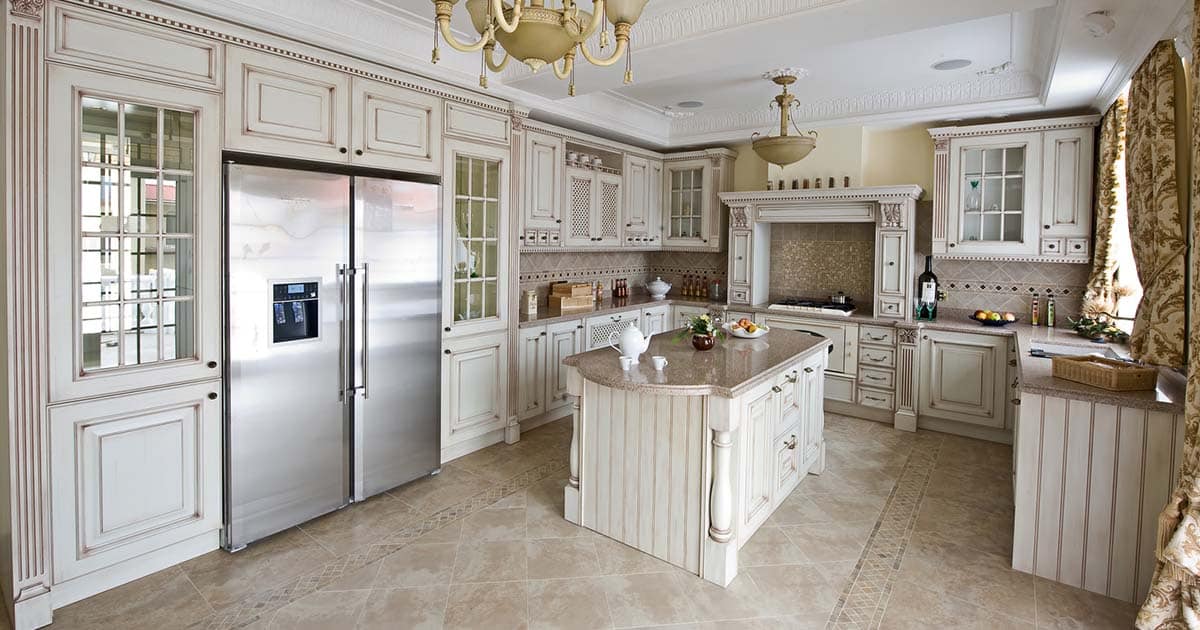
The traditional style is inspired by older, more classic European design styles. It is a style that brings comfort and security to a room, making the space warm and inviting. A traditionally designed home contains no surprises: everything is clean, calm, and calculated.
Main materials: wood
Color palette: neutral walls, warm, rich, dark colors, gold and silver accents
Furniture style: elegant, majestic, floral patterns, wood (mahogany, maple, cherry), upholstered, heavy, curved legs, velvet, silk
Distinctive features: symmetrical, columns, ceiling moldings, detailed woodwork
3. Contemporary
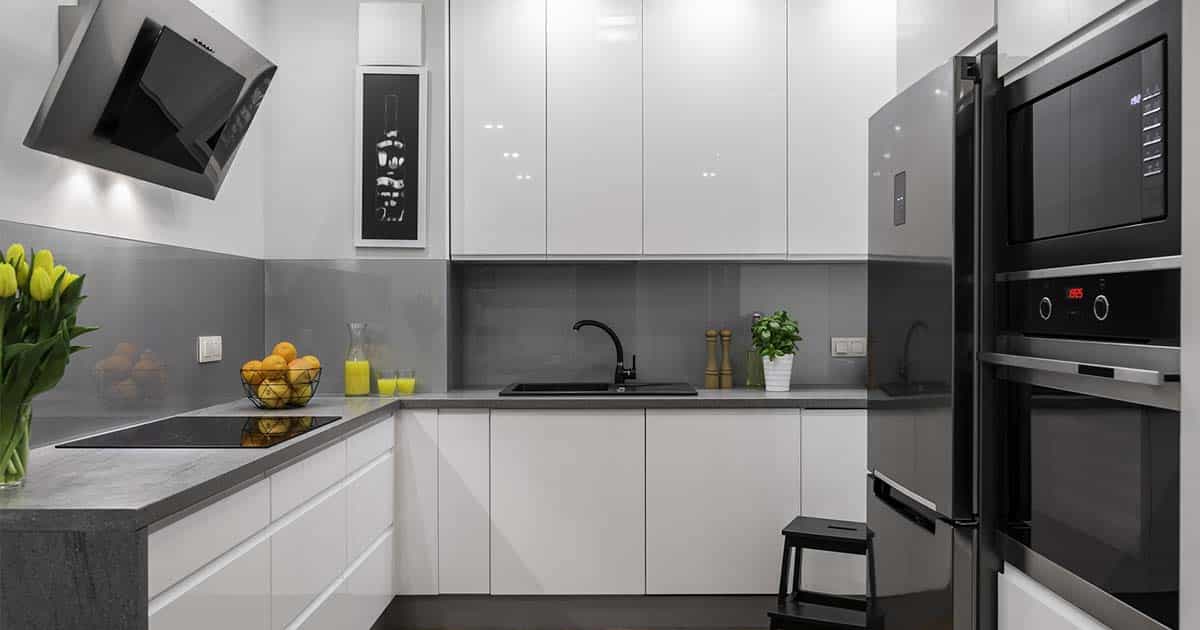
The contemporary style should not be confused with modern style. If your client wants a contemporary home, it means it aligns with current design trends. It is not a static trend, but rather an evolving trend that adapts to the present time. Contemporary style is generally based on simplicity, sophistication, and purity of lines. It is clean, elegant, and bright.
Main material: light wood, glass, stainless steel
Color palette: brown, taupe, cream, white, black
Furniture style: exposed legs, neutral tones, natural fibers, two-tone prints, no extra-fluffy fabrics
4. Industrial
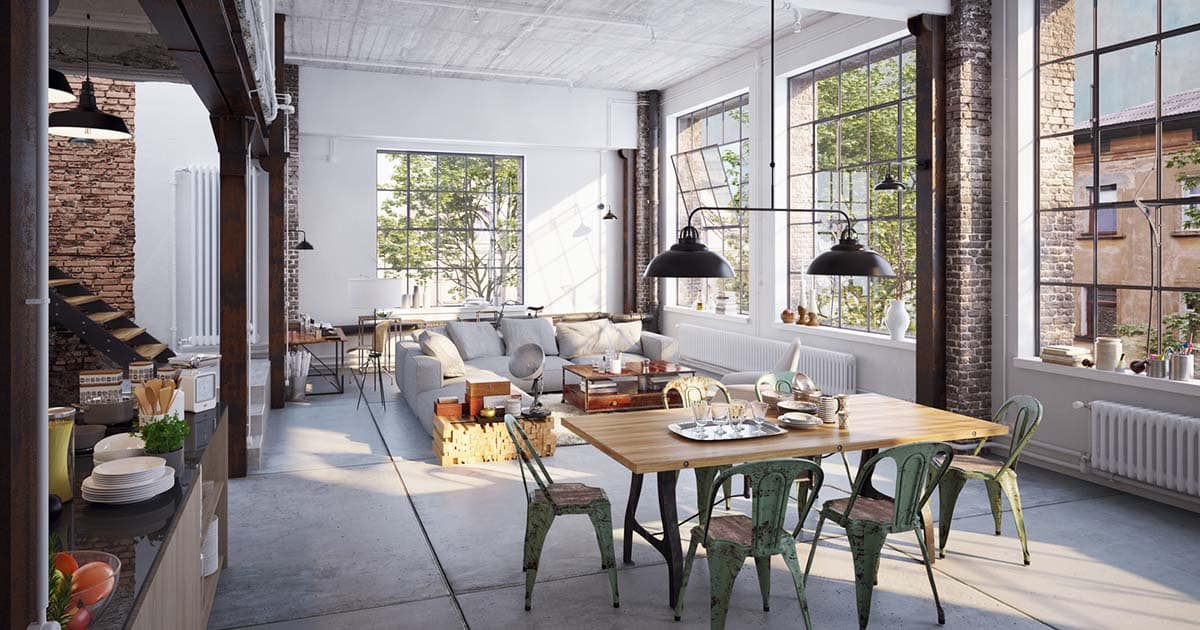
The industrial style is inspired by the industrial era, where machine, metal, and brick predominated. Today, it celebrates the raw and exposed materials of a building. However, it is not limited to people living in lofts; any space can be transformed into an industrial-style home with the right color palette, materials, and furniture.
Main materials: reclaimed wood, metal, brick, concrete
Color palette: neutral tones — brown, rust, black, cream, gray
Furniture style: a mix of wood and metal, weathered, patinated,
Functional features: open concept, high ceilings, exposed materials, clean, functional, a blend of old and new, negative space
5. Transitional
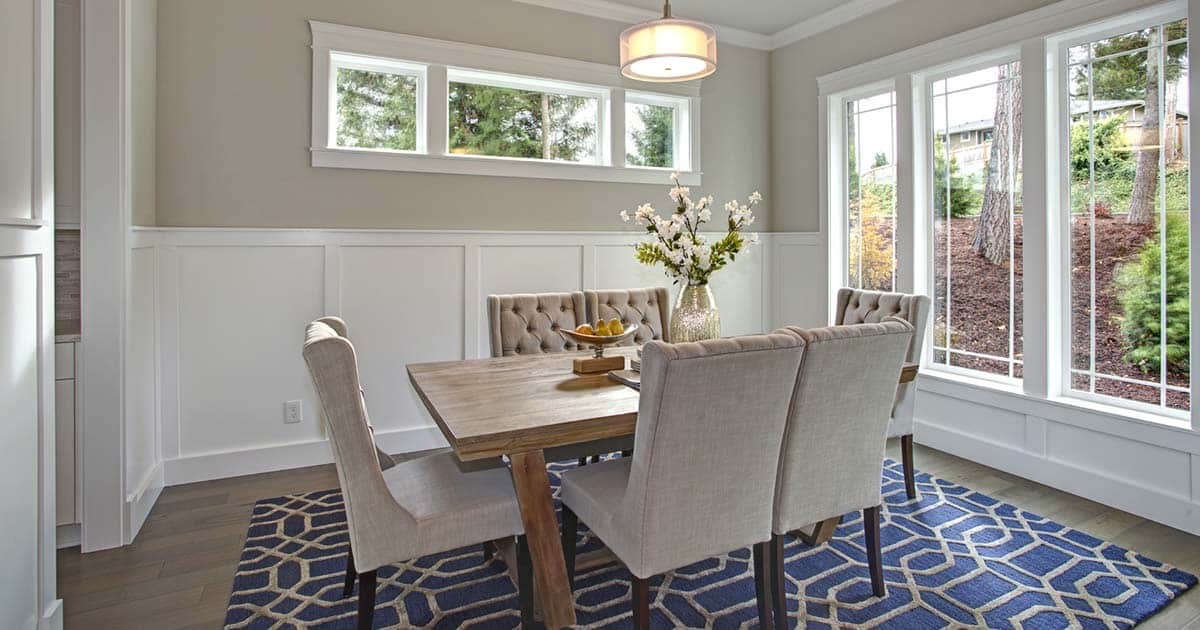
The transitional style is a blend of traditional and contemporary. It offers the best of both worlds by combining comfort and elegance. This style emphasizes texture and material rather than color.
Main materials: wood, glass, lacquer, steel, mirror
Color palette: neutral — brown, taupe, beige, cream, gray
Furniture style: curves combined with straight lines, lacquered finishes, modern fabrics, subtle prints and patterns
Features: light ornaments, clean lines, welcoming, dominant wall, neutral colors
6. Rustic
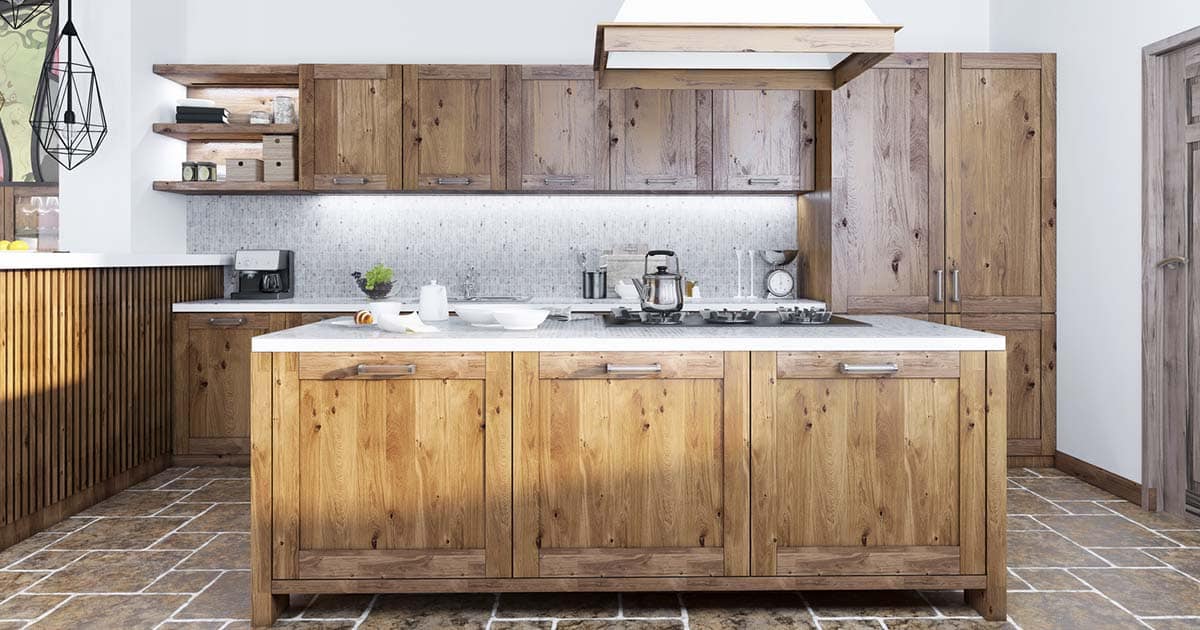
The rustic style involves bringing natural elements into a home. This style is often used for cabins but is becoming increasingly popular among urban dwellers. The rustic style incorporates outdoor accessories such as branches, logs, and reclaimed wood.
Main materials: wood, stone, organic textures
Color palette: brown, green, gold, gray, beige
Furniture style: weathered wood, leather, rough edges
Features: wooden beams, stone fireplace/feature wall, warm, natural material colors, wooden countertops and furniture, worn finishes
7. Bohemian
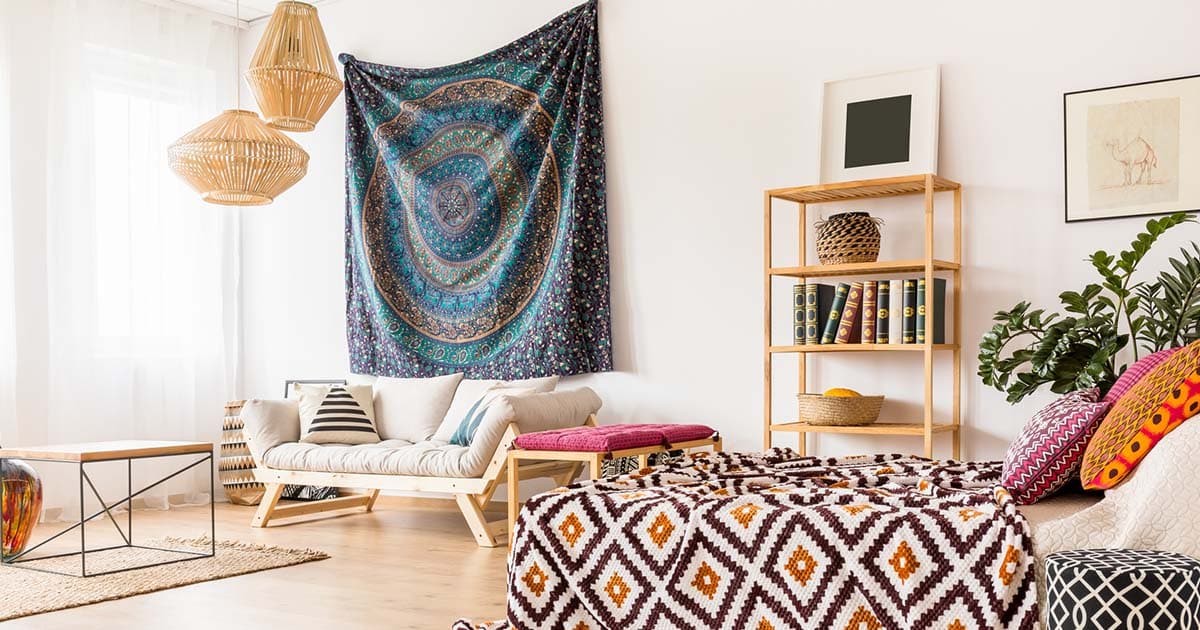
The bohemian style is suited for those who embrace a lifestyle outside of the mainstream and love vibrant colors, vintage furniture, and layering materials. This style is a mix of beauty, chaos, and culture. It allows the owner to express their individuality and often incorporates travel or flea market accessories. This interior design style is characterized by an orderly form of clutter.
Main material: wood, metal, dyed textiles
Color palette: brown, green, metallic, gold, purple, orange, blue.
Furniture style: secondhand/vintage, felted, saturated colors, poufs, mismatched, distinctive comfortable features
8. Minimalist
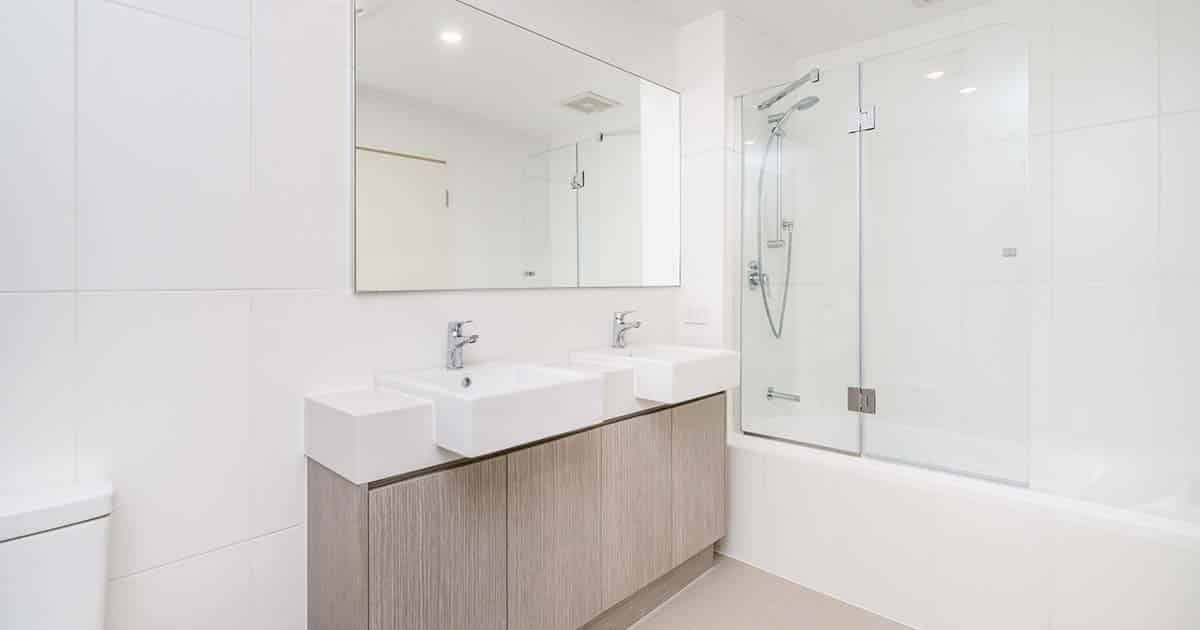
The minimalist design style stems from the theory “less is more.” There is less furniture, less space, fewer accessories. Even the elements used are minimalist in that they are airy and surrounded by empty space. If your client is a fan of minimalist style, you will need to work with spaces, small furniture, and a lot of white.
Main materials: glass, wood, marble, concrete, metal
Color palette: monochromatic, white, black, gray
Furniture style: clean, functional, simple, understated colors
Features: clean lines, clutter-free, calm, spacious, airy, lots of light
9. Hollywood Regency
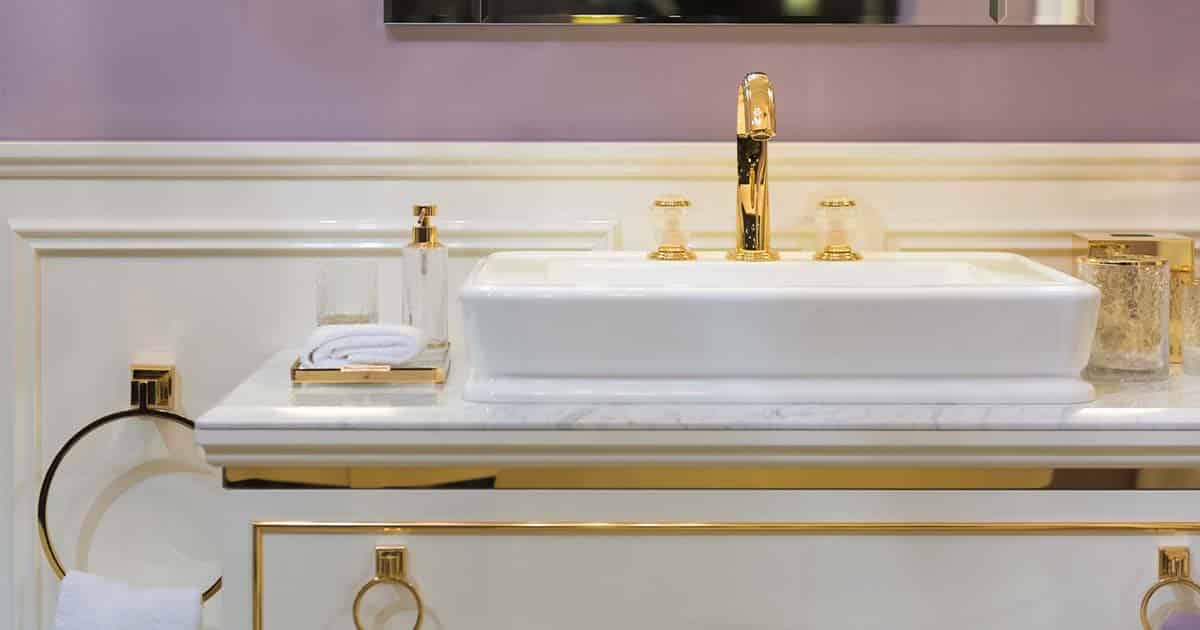
This style dates back to the 1930s, when Hollywood was in its prime. The Hollywood Regency style is suited for clients who love glamour, opulence, and are not afraid to take risks. It also appeals to those who enjoy entertaining guests and have an active social life. This interior design style is the opposite of minimalism and aims for extravagance.
Main materials: glass, mirror, metal, lacquer color
Palette: purple, red, turquoise, gold
Furniture style: velvet, felted, Victorian style, lacquered, silk, satin, tufted
Distinctive features: luxurious, extravagant, glamorous, dramatic, bold accessories
10. Scandinavian
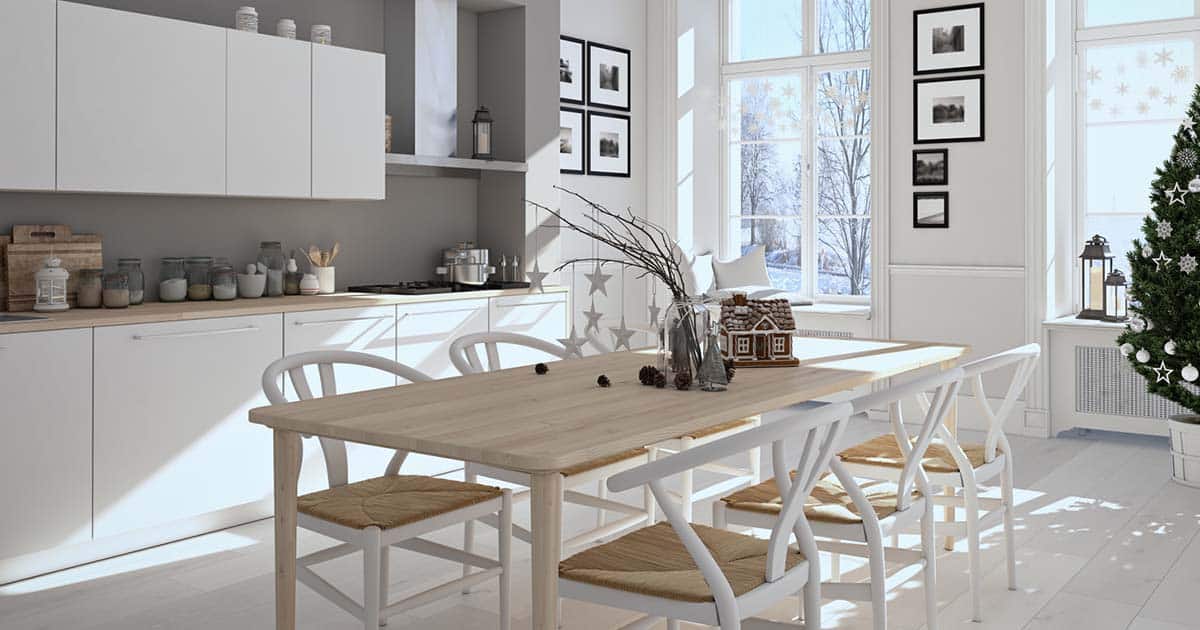
The Scandinavian style comes from the Nordic countries. It emphasizes natural and artificial light to create a bright and tidy space. Scandinavian design shares many similarities with minimalist design, where functionality, simplicity, and purity of lines dominate.
Main materials: wood, plastic, metal
Color palette: white, black, gray, brown
Furniture style: functional, simple, natural fibers, clean lines, smooth and rounded edges, natural tones
Features: spacious, small accessories, natural light, light floors, uncluttered, minimalist
Tag: Scandinavian decoration