In the restaurant industry, a professional hood is an essential element. This equipment plays a vital role in ensuring cleanliness, safety, and comfort in a kitchen space. But how does this complex device manage to fulfill these functions?
The essential components of a professional hood
To fully understand the operating mechanism of a professional hood, it is essential to know its main components. Each element has a specific function and contributes to the overall efficiency of the device.
- Filters: They capture grease and fine particles to prevent their recirculation in the air.
- Fan: This key element sucks in air laden with smoke and odors, directing it to the filters and outside.
- Exhaust duct: It transports the filtered air outside the building.
- Lighting system: Integrated lamps provide better visibility over cooking areas.
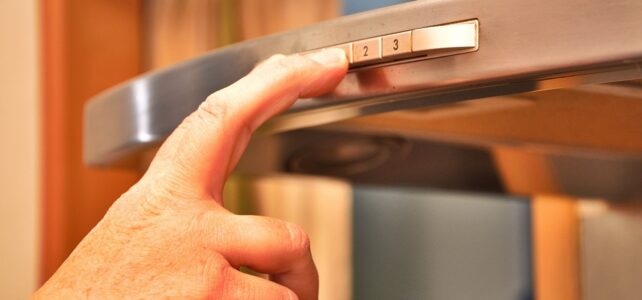
- Control: A control panel allows for adjusting the fan speed and lighting.
The aspiration and filtration process
The heart of a professional hood’s operation lies in its aspiration and filtration process. Understanding this mechanism allows one to appreciate the device’s efficiency.
- Air laden with grease, smoke, and odors is sucked in by the fan.
- The metal filters capture grease particles and prevent their buildup in the duct.
- The filtered air then passes through activated carbon filters that neutralize odors.
- Finally, the purified air is expelled outside the building via the exhaust duct.
The importance of the hood motor
An often overlooked but central element is the motor of the professional hood. It ensures the proper functioning of the device by providing consistent and effective suction. To choose the best professional hood motor, several criteria must be considered: power, durability, and noise level.
A high-performance motor helps maintain optimal air quality in the kitchen, which is essential for the health and safety of employees. It also contributes to extending the lifespan of the hood by reducing the accumulation of grease and residues in the ducts.
Maintenance and upkeep
The proper functioning and longevity of a professional hood largely depend on regular maintenance and adequate upkeep. Here are some tips to ensure the durability of your equipment:
1. Filter cleaning: Grease filters should be cleaned regularly to avoid clogging and ensure optimal performance.
2. Motor check: Periodic checks of the motor help prevent breakdowns and ensure effective suction.
3. Duct cleaning: Exhaust ducts should be inspected and cleaned to prevent the buildup of residues that can lead to fire hazards.
4. Replacement of carbon filters: These filters should be changed regularly to maintain good air quality.
The benefits of a high-quality professional hood
Choosing a high-quality professional hood offers numerous benefits in terms of both safety and performance. Here are some of the major advantages:
- Improvement of air quality: An effective hood reduces the presence of harmful particles and unpleasant odors.
- Prevention of fire hazards: By capturing grease, the hood minimizes the risks of kitchen fires.
- Employee comfort: A healthy and clean work environment enhances the well-being and productivity of staff.
- Compliance with standards: A well-maintained hood meets the health and safety requirements imposed by regulations.
A professional hood is much more than just a suction device. Composed of multiple essential elements and requiring regular attention, it plays a crucial role in managing air quality and safety in the kitchen. Investing in quality equipment and ensuring rigorous maintenance allows you to fully benefit from the advantages offered by this indispensable device. By understanding its operation and taking care of its components, you not only guarantee the longevity of your hood but also the health and comfort of your teams.