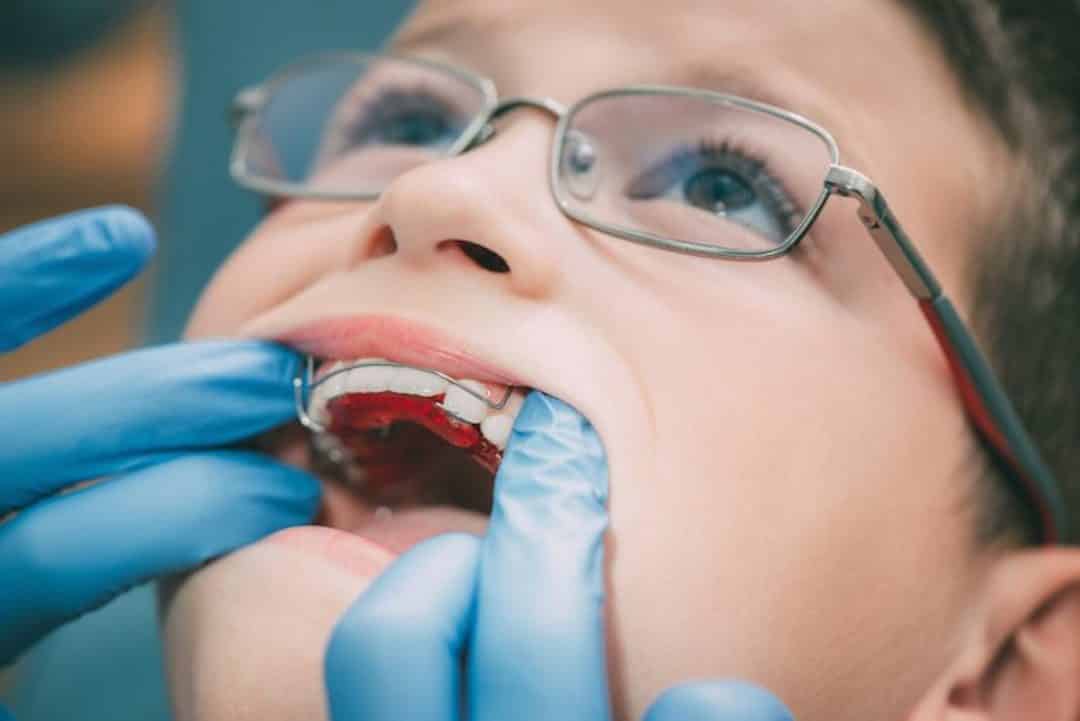
It is estimated that one in two children would need orthodontic treatment. However, not all benefit from appropriate follow-up. Parents are not always able to detect the need for treatment. 80% of patients are referred by their dentist, while spontaneous consultations are rare. However, wearing braces is often the only solution to certain concerning problems. The round of questions about braces in children with Dr. Sophie Rozencweig, orthodontist in Grenoble.
At what age can a child wear braces?
Braces can start from 4 to 5 years old if the child has difficulty chewing or has breathing difficulties. The orthodontist’s intervention is then carried out in collaboration with the ENT specialist. For children suffering from cleft palates (harelip), treatments can start even earlier.
A découvrir également : Why conduct an energy performance assessment?
When to consult?
Generally, at the age of 7 to 8 years. During the first appointment, the orthodontist may decide to wait before treating the problem or opt for a so-called “interceptive” treatment lasting about 6 months. These interceptive treatments aim to correct a growth delay of the jaw or an abnormal dental development issue. A tooth that develops in the wrong place can damage other teeth or interfere with their development.
Lire également : How to fill out the cerfa 3233 sd online to easily obtain a property certificate
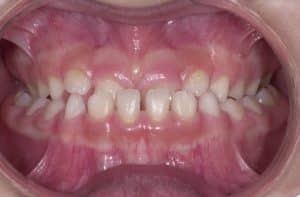
Growth delay issue. Photo before treatment. Problems that often recur in children are delays in the growth of the maxilla (between the upper jaw and the lower jaw).
It is important to consult the orthodontist before the onset of puberty.
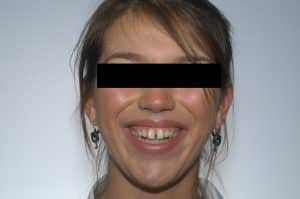
Before treatment, a person requiring treatment combining orthodontic techniques with maxillofacial surgery. Once puberty is over, most growth anomalies can be corrected, but orthodontic treatments will often need to be combined with maxillofacial surgery. Finally, it is also possible in some cases to “compensate” for the compensation through tooth extractions. In summary, for the orthodontist to have the choice of the most appropriate treatment, it is necessary to consult very early.
What is the proportion of children wearing braces?
About one in two children needs orthodontic treatment for functional and sometimes aesthetic reasons. Wearing braces, however, is not a fashion statement. The indication for orthodontic treatment should therefore not be left to chance. The criteria are functional objective (dental occlusion, chewing, balance of jaw joints) and aesthetic indications arise. Finally, aesthetics should not be neglected as improving the smile through teeth alignment contributes to building self-confidence and psychological well-being.
What problems can braces correct?
Two types of devices are distinguished: orthopedic and orthodontic.
- Orthopedic devices act on growth delays of the maxilla. For example, for a problem of an upper jaw that is too narrow, a “disjunctor” can be fitted. It widens the upper jaw, helps the development of the upper airways, and facilitates ventilation. This avoids asymmetrical growth that could cause a significant functional problem.
- Orthodontic devices, meanwhile, allow for the movement of teeth. These are multiple metal or ceramic attachments (incorrectly) called “rings,” attachments on the side of the tongue (lingual attachments), or clear aligners.
Is the interest purely aesthetic or also health-related?
The orthodontist provides much more to their patients than just aligning the front teeth! The main role of orthodontics is to restore effective chewing and functional balance. Chewing should not require effort.
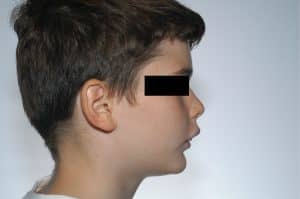
Photo before treatment: the patient has difficulty closing their mouth. After treatment: the patient closes their mouth, their profile is harmonious. A significant gap between the front teeth (incisors) requires the patient to constantly advance their lower jaw to eat, for example. On the other hand, overly protruding incisors present a high risk of fracture due to their position in a bumper. The highest risk is between 9 and 12 years old. Hence the value of prevention.
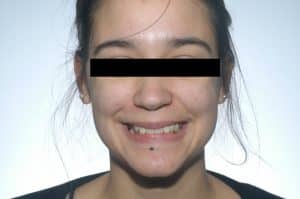
Orthodontics serves both health and aesthetic purposes. (Photo before treatment). There are many indications for orthodontic treatment: joint, functional, periodontal reasons… Orthodontists today work in collaboration with other medical specialties: ENT, endocrinologist, pediatrician, maxillofacial surgeon, osteopath, speech therapist, etc. The primary indication for orthodontics is therefore functional. Of course, aesthetic results come from well-conducted treatment.
Is the placement of rings painful?
The placement of orthodontic attachments is painless. Subsequently, for two or three days, the teeth are sensitive to chewing, and our patients need a slightly softer diet. After that, this sensation fades, and the teeth begin to move.
Is it sometimes necessary to extract teeth when fitting braces?
Sometimes, it is necessary to remove teeth when the jaws are too small compared to the size of the teeth. The orthodontist performs a calculation of the lack of space and only plans to remove teeth if there is no other option. The tooth is a healthy organ that must be preserved. The use of extractions is considered when there is no alternative.
Do you know how long treatment will last, or does it depend on the patient’s response?
The orthodontist’s experience allows them to estimate the probable duration of treatment. However, this can be reassessed along the way if the patient does not follow our prescriptions or if difficulties arise due to a poor biological response to treatment.
What hygiene advice should be followed when wearing braces?
Educating patients on orthodontic brushing techniques is essential to eliminate plaque and prevent cavities and gingivitis. Good brushing allows for shiny orthodontic teeth and attachments, with pale pink gums. The quality of brushing is not a matter of duration; it depends on the application of the correct technique. The dental flosser is also a valuable aid to remove debris stuck between the teeth. It complements brushing.
I spend a lot of time teaching patients the right things. Subsequently, the control of plaque removal should be performed at each appointment if the treatment is to be well conducted and completed with healthy teeth and gums.
Find the list of all dental surgeons in your city or neighborhood at www.ordre-chirurgiens-dentistes.fr
Know
To receive reimbursement for orthodontic care from Social Security (up to 70%), two conditions must be met. Orthodontic treatment must begin before the age of 16. And the request must be sent to Social Security before the start of treatment.
Tag: dental braces